What makes this the original — and why it matters
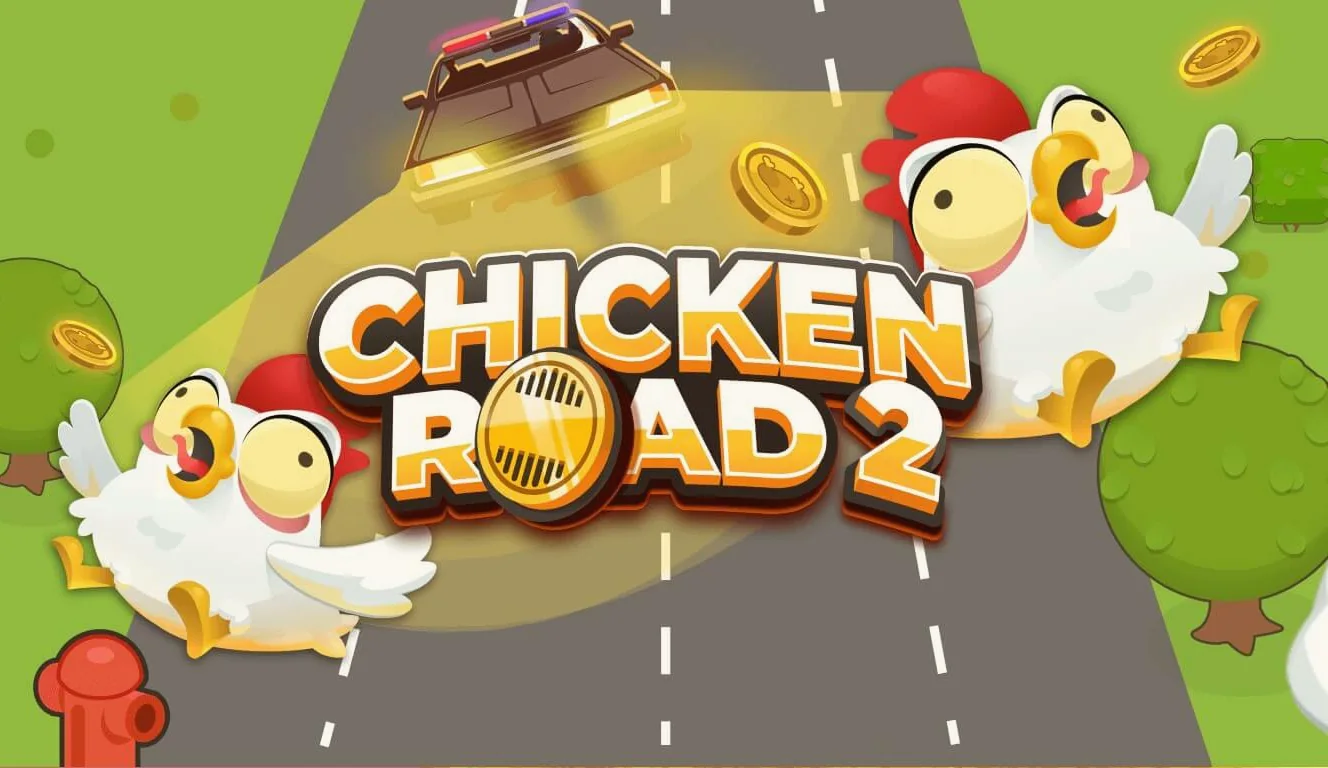
Chicken Road 2 exists in dozens of nearly identical skins across unlicensed platforms, but only one build comes with certified RNG and runs on operators holding a UKGC remote licence. That version is the original, and it is the only one you can legally play from the United Kingdom.
The difference is not cosmetic. Clones lack third-party testing, skip the affordability checks required here, and often hide behind jurisdictions that do not answer to British regulators. The original sits in the UKGC public register, shows its licence number in the footer, and integrates with GAMSTOP. If you care where your stake goes and whether the maths behind the multiplier is audited, those details separate a real product from a reskin.
Who built it and how the certification works
The original Chicken Road 2 comes from a studio that specialises in crash-style mechanics and hold-your-nerve multipliers. The game went through GLI-19 RNG certification — the standard for online casino products — and landed distribution deals with aggregators serving UKGC-licensed operators.
Certification means an accredited lab pulled the source code apart, ran millions of simulated rounds, and confirmed that outcomes cannot be predicted or manipulated. The RTP, volatility, and max-win figures in the technical sheet are not marketing claims; they are tested parameters. Every operator carrying the game must hold a valid remote gambling licence and display the number in the site footer, where you can cross-check it in the Commission's public register.
How a round actually runs from your seat
You pick a stake between £0.20 and £5.00 — the upper limit is the statutory cap for online slots in the UK, and it applies here too. UKGC sites enforce a £2.00 cap for players aged 18 to 24; the system checks your age during the account setup and applies the correct ceiling automatically.
- You place your stake and press start. The chicken begins moving across a grid of covered tiles.
- Each tile hides either a multiplier boost or a stop marker. The chicken reveals one tile per step.
- Your running multiplier climbs with each safe tile. You can cash out at any moment and lock in the current value.
- If the chicken hits a stop marker before you cash out, the round ends and the stake is lost.
- The grid resets for the next round. Outcomes are independent; previous results do not influence the next draw.
The decision is binary: cash out early for a smaller, safer win, or let it run for a higher multiplier and accept the rising chance of hitting a stop. There is no skill ceiling and no pattern to decode — the RNG determines tile placement before the round starts, and you are choosing when to exit.
Real numbers from the technical sheet
The three difficulty modes shift the number of stop markers on the grid. Easy mode places fewer stops, so you are more likely to advance deep into the round — but each safe tile awards a smaller multiplier increment. Hard mode plants more stops, increasing the risk of an early exit, yet the multiplier climbs faster when you survive. Medium sits between the two.
RTP of 96.5% means the game is programmed to return £96.50 for every £100 wagered over millions of spins. Volatility is medium, so you will see a mix of frequent small wins and occasional larger payouts, with dry spells in between. The max win of £2,500 is the statutory cap for slots in Britain; no single spin can pay more, regardless of how high the multiplier climbs in theory.
Which clones circulate and how they differ
Clones fall into two categories: direct visual copies that replicate the grid and chicken sprite pixel-for-pixel, and thematic variants that keep the hold-and-reveal mechanic but swap the setting (mines, treasure chests, space tiles). Both types proliferate on unlicensed platforms operating outside UK jurisdiction.
| Feature | Original | Typical clone | |
|---|---|---|---|
| RNG certification | GLI-19 audited | None or undisclosed | → |
| UKGC licensing | Yes, via operator | No — offshore only | → |
| Stake caps | £5.00 / £2.00 by age | Often uncapped | → |
| GAMSTOP integration | Mandatory | Absent | → |
| KYC and affordability | Required from £150/month | Minimal or skipped | → |
| Withdrawal method | Faster Payments, e-wallets | Crypto only on many | → |
| Tax on winnings | None (player side) | Depends on jurisdiction | → |
The absence of UKGC oversight means clones do not enforce the same player-protection measures. You will not find deposit limits, affordability checks triggered at £150 net monthly deposits, or integration with the national self-exclusion register. Payment flows often bypass UK banking rails entirely, using cryptocurrency or e-wallets registered offshore, which makes tracing funds and disputing transactions harder.
Ten-second check that you are on the original
- Scroll to the site footer and look for a UKGC remote gambling licence number. It will be a six- to eight-digit reference starting with 000- or similar. Copy that number into the Commission's public register search.
- Check the payment methods at account funding. Credit cards have been banned for gambling in the UK since April 2020; if the cashier accepts them, you are on an unlicensed site.
- Look for GAMSTOP branding in the responsible-gambling section. Every licensed operator must link to the self-exclusion service and display its logo.
- Confirm that stake limits match the statutory caps: £5.00 per spin generally, and £2.00 if you registered as 18–24. Clones often allow higher stakes or ignore age-based restrictions.
- Run a test deposit. Licensed sites will ask for identity documents and proof of address before your first withdrawal, and affordability checks kick in from £150 net deposits a month. If you can deposit and withdraw four-figure sums without any verification prompts, the operator is not following UKGC rules.
The original Chicken Road 2 only appears on platforms that meet all five criteria. Clones skip at least one, and usually several. If the domain is not in the UKGC register, you are playing a copy.
FAQ
Can I play Chicken Road 2 from the United Kingdom on an unlicensed site?
Legally, no. The Gambling Act requires any operator serving British players to hold a UKGC remote licence. Unlicensed sites are not permitted to advertise here, and if a dispute arises — frozen withdrawals, bonus terms not honoured — you have no recourse through UK regulators. The original game runs exclusively on licensed platforms that appear in the Commission's public register.
Why does the stake cap stop at £5.00 when some clones allow £50 or more?
The £5.00 limit is a statutory cap for online slots and similar games, introduced to reduce harm. UKGC-licensed sites enforce it automatically; players aged 18 to 24 face a further reduction to £2.00. Clones operating offshore are not bound by British law, so they set their own limits or remove caps entirely. Higher stakes do not change the RTP or your chances — they only increase the speed at which you can lose.
What happens if I hit the max win of £2,500?
The round ends immediately and the £2,500 is credited to your casino balance. You will need to complete KYC verification — usually a photo ID and a recent utility bill — before the first withdrawal. Licensed sites process Faster Payments and e-wallet withdrawals within a few hours to two working days once documents are approved. Winnings are tax-free on your side; the operator pays 40% Remote Gaming Duty to HMRC, but that is invisible to you.
Do difficulty levels change the RTP, or just the feel of the game?
The RTP remains 96.5% across all three difficulty modes. What changes is the distribution of outcomes. Easy mode spaces stop markers further apart, so you see more rounds where the chicken advances six or seven tiles, but each step adds a smaller multiplier. Hard mode clusters more stops early in the grid, so most rounds end quickly — yet when you do survive, the multiplier climbs faster. Over thousands of rounds, the return averages out to the same figure.
Can I play a demo version without depositing?
Most UKGC-licensed sites offer demo play once you have registered and completed age verification. Free play is available to logged-in accounts only, because the Commission requires operators to confirm you are 18 or older before you interact with gambling products — even in fun mode. Unlicensed clones sometimes allow instant demo access without sign-up, but remember that the RNG in those builds has not been audited, so demo behaviour may not reflect real-money outcomes.