What the interface tells you before you bet
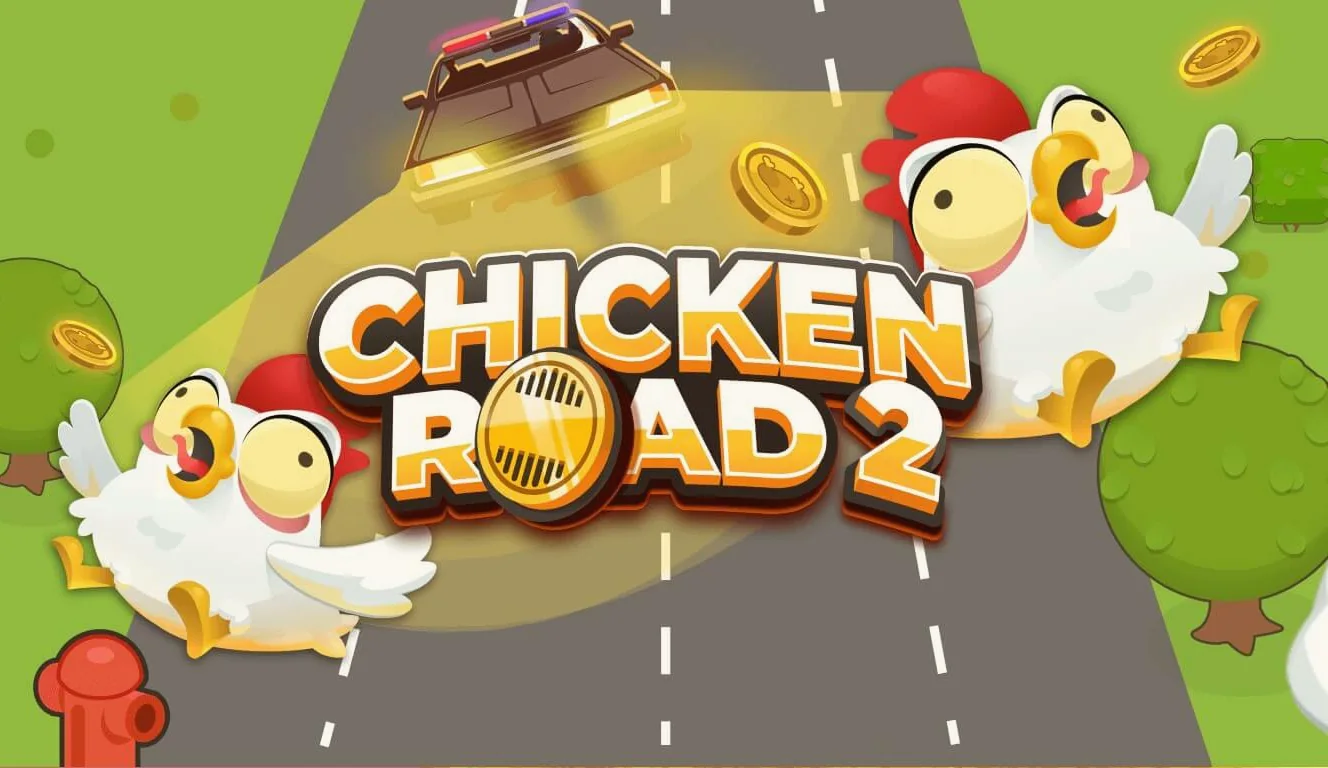
Two players open Chicken Road 2 on the same UKGC-licensed site. One taps random tiles hoping for a 100× streak. The other watches the multiplier ladder, sets a target, and stops. The interface is identical; the session outcome is not.
This is a crash-style grid game where you pick tiles to advance a chicken across a 5×6 board. Each safe tile increases the multiplier; one bomb ends the round. The catch: you decide when to cash out or keep going. The screen gives you three pieces of information — current multiplier, tiles left, bomb density — and the rest is your call. We'll walk through what those numbers mean, how the £5 UK stake cap affects your room to manoeuvre, and whether the 97% RTP holds up under typical bonus wagering.
Verdict: who should play this, who should skip
Chicken Road 2 suits players who want control over volatility. You choose how far to push each round, so a conservative run (cash out at 2–3×) plays like a low-variance slot, while chasing 50× or higher swings into high-risk territory. The interface is clean, the maths is transparent, and mobile performance is solid. Skip it if you want passive spins or dislike making repeated decisions mid-round.
The £5 stake cap matters here more than on fixed-line slots. At £5.00 per round, a 10× hit pays £50.00, but reaching that multiplier means revealing five or six tiles without hitting a bomb. The cap doesn't kill the game, but it does compress your win ceiling compared to unregulated markets where players might bet £20 or £50 a round.
Breaking down the scores
| Criterion | Score | Reason |
|---|---|---|
| Maths transparency | 9/10 | RTP and multiplier probabilities are front-and-centre; bomb placement is provably fair via hash |
| Bonus-round appeal | 6/10 | No triggered feature; every round is the same pick-and-cash loop |
| Pace control | 10/10 | You set the tempo: tap fast for quick flips or pause between picks |
| Mobile experience | 9/10 | Touch targets are large, landscape fits the 5×6 grid better than portrait, no lag on 4G |
| Visual design | 7/10 | Functional and legible, but the theming is minimal — a cartoon chicken and basic tile art |
| Bonus-friendliness | 5/10 | High RTP helps, but variance swings make it risky under 35× or 40× wagering |
| Small-bankroll value | 8/10 | £0.10 min bet and controllable risk let you stretch £20 across 100+ decisions |
The 97% RTP is above the UK slot average (95–96%), but it assumes optimal or near-optimal cashout timing. If you chase every round to 20×, the actual return will be lower because you'll hit bombs more often. The house edge is baked into the bomb-distribution probabilities, not a separate take on each bet.
What the numbers mean in a real 30-minute session
Start with £30.00 and bet £0.50 per round, cashing out at 3× (three safe tiles). You'll win roughly 60–65% of rounds, returning £1.50 each time, and lose the £0.50 stake on bomb hits. Over 60 rounds, expect 36–39 wins (£54–58.50 total) and 21–24 losses (£10.50–12.00 total), netting a small gain or a £5–10 loss depending on luck.
Now raise the target to 10×. You're revealing six tiles, and the win rate drops to around 25–30%. Same £30 bankroll, same £0.50 bets: you'll hit 10× perhaps 15–18 times in 60 rounds (£75–90), but lose 42–45 times (£21–22.50). The swings are wider, and a cold streak of ten bombs in a row will cut your balance by £5.00 before a single win lands.
Mobile: how it plays on a phone
Chicken Road 2 runs in mobile browsers (Safari, Chrome) without an app download. Landscape orientation is better for the 5×6 grid, but portrait works if you're commuting. Tile tap zones are large enough that you won't misfire, and the cashout button sits in the corner, separate from the grid.
- Load time: under 3 seconds on 4G, instant on Wi-Fi.
- Frame rate: smooth at 60 fps; no stutter when flipping tiles quickly.
- Battery: moderate drain, similar to a video stream; an hour of play costs 8–12% on a typical phone.
- Data: roughly 2–3 MB per 10 minutes, mostly the initial asset load.
One quirk: if you lock your screen mid-round, the game treats it as an abandoned session and the round resolves as a loss. Set your screen timeout to at least two minutes if you pause between picks.
Bonus wagering: why this game is a mixed bag
Many UKGC-licensed welcome offers come with 35× or 40× wagering and a £5.00 max bet clause while the bonus is active. Chicken Road 2's 97% RTP is better than most slots, so mathematically it helps clear faster. The problem is variance: if you're chasing 10× or 20× multipliers to speed up wagering, a losing streak will drain the bonus balance before you meet the requirement.
- Check the operator's bonus terms for game weighting. Some sites count crash games at 100%, others at 50% or exclude them entirely.
- Stick to low multipliers (2–4×) while wagering. Yes, it's slower, but it smooths out the swings.
- Watch the £5.00 cap: one accidental £6.00 bet can void the entire bonus under UKGC rules.
- Remember that your first withdrawal triggers document checks (passport, proof of address), adding 24–48 hours even if the game pays instantly.
Affordability checks kick in from £150 net deposits in a month, using credit-reference data at stage one. If you're using bonus funds to test the game, keep deposit totals in mind.
Honest pros and cons
Pros:
- You control volatility: cash out early for steady small wins, or push for high multipliers.
- 97% RTP is above the UK slot average, assuming sensible cashout discipline.
- £0.10 min bet and the ability to stop each round early make it workable on a £20 bankroll.
- Provably fair hashing lets you verify each round's bomb placement after the fact.
- Fast rounds (10–30 seconds) mean you can fit a session into a commute or lunch break.
Cons:
- No bonus round or triggered feature; every spin is the same pick loop, which some players find repetitive.
- The £5.00 stake cap (£2.00 for 18–24) compresses max wins compared to unregulated sites.
- High-multiplier chasing produces long losing streaks; five or ten bombs in a row is normal, not broken RNG.
- Bonus wagering is risky if you push variance; a bad run can zero the bonus balance before you clear the requirement.
- Visual theming is minimal — if you want immersive graphics or a story, this won't deliver.
Alternatives and when to pick them
If Chicken Road 2 doesn't fit, here are three similar games and one different direction:
- Aviator (Spribe): the original crash game with a plane multiplier that climbs until it flies away. Faster rounds, less granular control, same 97% RTP. Pick it if you want one-click cashout and don't care about tile-by-tile decisions.
- Mines (Spribe, Turbo Games): same grid concept, but you choose how many bombs to place (1–24). More bombs = higher multipliers per safe tile. Pick it if you want to dial variance up or down before the round starts.
- Plinko (BGaming, Spribe variants): drop a ball down a peg board; it lands in a multiplier slot at the bottom. Zero player decisions after the drop. Pick it if you want crash-game RTP without active choices.
- Starburst (NetEnt): a low-variance 96.09% slot with frequent small wins and expanding wilds. Pick it if you want passive play and smooth balance movement, accepting the lower RTP.
Player opinions: what people say
These are subjective views from players on UK forums and review threads, not proof of payouts or RTP:
- «I set a rule: cash out at 5× every time. Boring, but I turned £20 into £38 over two hours. The second I chased 20×, I gave it all back in fifteen minutes.» (Reddit, March 2026)
- «The £2.00 cap for under-25s is frustrating. I hit 50× once and won £100, but my mate who's 26 won £250 on the same multiplier. Same game, different ceiling.» (Casino forum, January 2026)
- «Mobile play is smooth, but if you're on the Tube and signal drops, the round auto-loses. Cost me £3.00 in one journey.» (Trustpilot, February 2026)
- «I like that I can see the hash and verify the round. Did it once out of curiosity — matched perfectly. Doesn't stop me losing, but at least I know it's fair.» (AskGamblers, April 2026)
A first-session plan
If you're trying Chicken Road 2 for the first time, here's a conservative structure:
- Bankroll: £20.00 — enough for 40 rounds at £0.50 or 200 rounds at £0.10.
- Bet size: £0.50 per round. This gives you room to learn without burning through the balance in ten minutes.
- Target: cash out at 3× (three safe tiles). Win rate is roughly 65%, and each win returns £1.50.
- Stop rule: quit at £30.00 (50% gain) or £10.00 (50% loss), whichever comes first. Track your balance after every ten rounds.
- Time limit: 30 minutes. Crash games are designed for quick loops; fatigue leads to impulsive chasing.
Once you're comfortable, test higher multipliers in demo mode (available on UKGC sites after age verification). Compare how 5×, 10×, and 20× targets change win frequency and balance swings before risking real money.
FAQ
Does the £5 stake cap apply to every round or just the initial bet?
Every round. Under UKGC rules, the cap is £5.00 per discrete gambling event for players aged 25 and over, and £2.00 for those aged 18–24. In Chicken Road 2, each round (from first tile pick to cashout or bomb) is one event, so you can't bet £5.00 and then add another £5.00 mid-round. The cap resets for the next round.
Can I play this game if I'm registered with GAMSTOP?
No. GAMSTOP blocks access to all UKGC-licensed operators, and Chicken Road 2 is only legal to play on licensed sites in the UK. If you've self-excluded, the game will be unavailable for the duration of your block (6 months, 1 year, or 5 years). Unlicensed sites that bypass GAMSTOP are illegal to market here and carry no consumer protection.
How does the 97% RTP work if I keep losing?
RTP is a long-term statistical average across millions of rounds and all players. In a single session of 50 or 100 rounds, you might see 92% or 103% return due to variance. The 97% figure also assumes you're making reasonably optimal cashout decisions — if you chase 50× every round, your effective RTP will be lower because you'll hit bombs more often. RTP is not a guarantee of short-term results.
What happens to my bet if the game crashes or I lose connection?
If the game disconnects mid-round, the operator's system will resolve the round based on the last action received. If you'd already cashed out, the win is credited. If you were still picking tiles, the round typically resolves as a loss, though some operators auto-cash-out at the lowest multiplier (1×) to protect the player. Check the site's technical malfunction policy in the footer. On a UKGC-licensed site, you can raise a dispute if you believe the round was unfairly resolved.